
Waste Management
Waste Management Treatment Technology
Waste Management is an essential part that we in BI First Philippines take seriously. As we are helping the government to maintain and clean the environment, we make sure that the created waste is also being taken care of.
On this, we have started the study for the various ways of managing our waste in partnership with our European Investors. As we find this very helpful, we would like to share this knowledge to various companies and agencies.
We want to make sure that our environment is being taken care of. Waste Management technology focuses on waste that we produce in our daily life. From Fork Waste, waste water to Solid Waste, We want to minimize these and convert it to something useful.
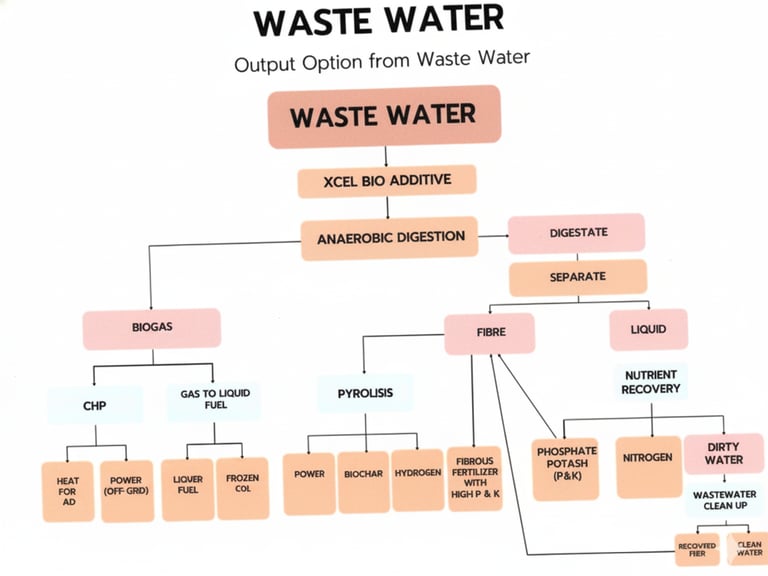
Below are diagrams of how the processes work. We can offer closed loop solutions or end to end process.
Waste Separation Plant
This technology can extract optimum value from MSW by a number of processes which starts with
Many current waste separation processes do not provide a clean organic (wet) fraction ready for energy recovery. Our technology does provide a clean organic fraction which is immediately available to be processed for energy recovery in an Anaerobic Digestor.
This also means it is easier to recover any recyclables from the remaining (dry) waste.
We now have separately wet and dry fractions, and we can optimize energy recovery from them by using our two energy converters being-
AD for the (wet) organic fraction
And Pyrolysis for the remaining (dry) fraction
The efficiency of this plant means MSW, or household waste no longer needs to be segregated at household level.
This is particularly attractive to many countries where segregation is not feasible, and now simply not necessary.
Anaerobic Digestion (AD)
Anaerobic means: in the absence of air (oxygen).
AD is a natural stabilization process achieving odor, pathogen, and (bio) mass reduction.
An AD plant simply allows the natural process of anaerobic digestion to take place in the absence of oxygen and in optimized conditions to release the embedded energy in organic waste into a useable fuel called biogas. This is a mixture of 50-60% methane (the fuel), and the remainder Carbon dioxide. No chemicals are involved.
NB: This is a similar process to the conversion of grass in a cows’ (four) stomachs into milk, with a gas by-product of methane gas.
Biogas can fuel Combined Heat & Power (CHP) engines to provide both electrical power and useable heat and/or cooling.
The quantity/tonnage of waste and its energy density, called Bio Methane Potential (BMP), will dictate the quantity of biogas available. This then determines the subsequent kW of energy that can be produced from any given waste biomass, commonly referred to as feedstock.1
Organic waste is made up of natural compounds, principally carbohydrates, proteins, and fats. These natural compounds are essentially organic batteries storing energy which all comes from the sun and is converted into animal or plant matter. This embedded and renewable energy can be recovered in the most efficient method using the natural process of Anaerobic Digestion (AD). This is illustrated under using a glucose molecule which 'digests' as follows.2
C6H12O6 digests to 3CH4 + 3CO2
The methane ($CH4$) gas is similar to 'natural gas' from the North Sea which comes from (old) biomass that was buried and broken down under AD conditions over thousands of years.
Pyrolysis
Pyro = heat, lysis = breakdown into parts.
Pyrolysis is a thermochemical decomposition of organic material at elevated temperatures (around 700 degrees Celsius) in the absence of oxygen.
It involves the simultaneous change of chemical composition and physical phase and is irreversible. Because no oxygen is present the material does not combust but the chemical compounds (i.e., cellulose, hemicellulose and lignin) that make up that material thermally decompose into combustible gases (syngas) and charcoal (or Biochar).
Syngas, or synthesis gas, is a fuel gas mixture consisting primarily of hydrogen, carbon monoxide, and very often some carbon dioxide.
The syngas can fuel Combined Heat & Power (CHP) engines to provide both electrical power and usable heat and/or cooling.
The quantity/tonnage of waste and its calorific value will determine the quantity of syngas available. This then determines the subsequent KW of energy that can be produced from any given waste biomass, commonly referred to as feedstock.
NB. In both AD and pyrolysis technologies there is no oxygen, so no flame i.e. no incineration.
Nutrient Recovery Technology
Organic wastes contain small quantities of valuable nutrients being Nitrates, Phosphates and Potash (N, P and K).
Often these wastes are disposed of by land spreading which recycles the nutrients back to the land where they came from. Incineration is also used simply to get rid of the waste.
This technology can recover as usable fertilizers the Nitrates and separately the Phosphates and potash from organic wastes.
The remaining liquid can be cleaned up to potable water standards. By concentrating these nutrients (slurry is $93-97\%$ water) we add value and dramatically reduce both emissions and costs of land spreading disposal.
Nutrient Recovery Technology
Organic wastes contain small quantities of valuable nutrients being Nitrates, Phosphates and Potash (N, P and K).
Often these wastes are disposed of by land spreading which recycles the nutrients back to the land where they came from. Incineration is also used simply to get rid of the waste.
This technology can recover as usable fertilizers the Nitrates and separately the Phosphates and potash from organic wastes.
The remaining liquid can be cleaned up to potable water standards. By concentrating these nutrients (slurry is $93-97\%$ water) we add value and dramatically reduce both emissions and costs of land spreading disposal.
Reduction and Recycling of Waste Materials
Executive Summary
This feasibility study evaluates the establishment of a facity that transforms waste
‘materials such as plastic, glass, and bio-waste into useful products such as shredded
plastics, organic compost, and eco-bricks. The project aims to reduce landfil waste while
{generating valuable and sustainable products for both community and industrial use.
The company, Markell Machineries Manufacturing, has been registered since 2001 and
already has 30+ clients nationwide, proving its technical capability and market trust.
Findings show the project is technically possible, marketable, and financially sustainable.
Introduction
Purpose: To assess the viability of converting waste int useful penlicte that ean eenve
both industrial and community needs.
Objectives:
= Reduce landfill waste by recycling plastic, glass, and bio-waste materials.
= Produce products from waste resources.
Promote sustainability while creating profitable business opportunities.
~ Create employment,
Technical Feasibility
By-Products and Applications:
Shredded Plastic: Sold to industries for recycled plastic pellets or can be added to brick
‘components.Granulated Glass: Sold as raw material for other industries or can be added to brick
‘components.Granulated Bio-waste: Used as organic fertilizer or compost for agriculture.
Refined Sand: Provides fine aggregates for construction or resale.
Bricks: Can be used on pathways or resale,
CHB: Can be used for construction or resale.
List of Machines
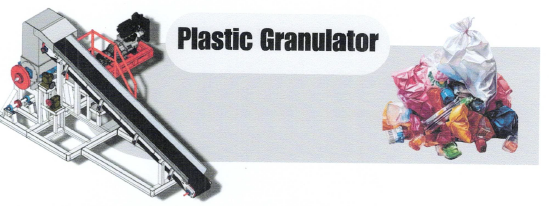
Plastic Granulator – Shreds plastic waste that can be used as a component in making bricks.
Bio-waste Granulator – Granulates bio-waste materials.
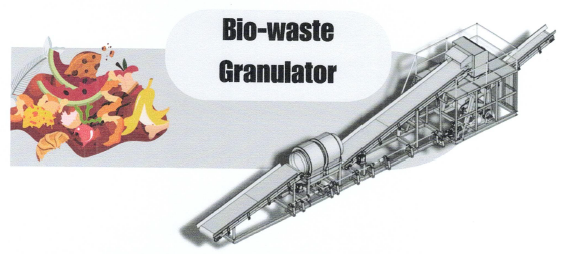
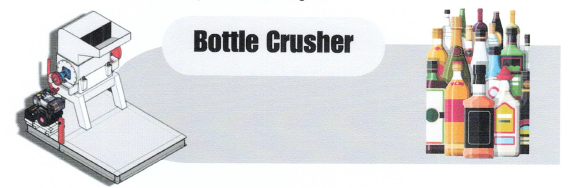
Bottle Crusher – Converts glass bottles into granules.
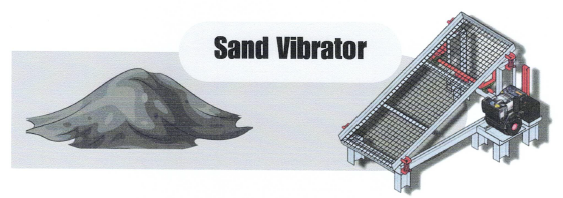
Sand Vibrator – Refines sand by separating stones and impurities.
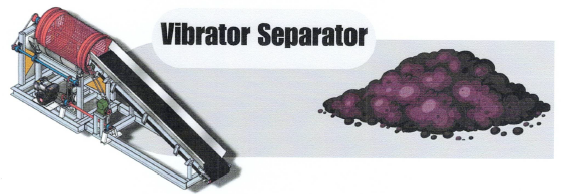
Vibrator Separator – Pre-screens materials (plastic, biowaste, etc.) to reduce sediments like rocks and metals that may damage the blades of the granulators.
Brick Compactor – Mechanical press that compresses bricks to make them compact.
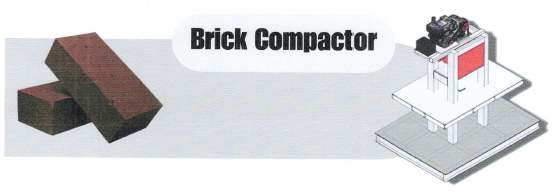
CHB Maker – Forms conventional hollow blocks.
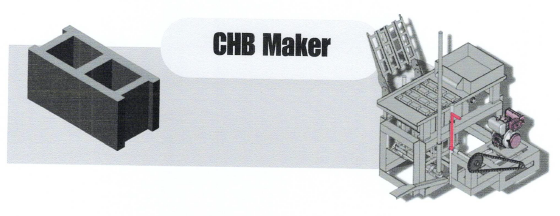
Paddle Mixer – Mixes the raw materials (sand, cement, and aggregates) for producing bricks and hollow blocks
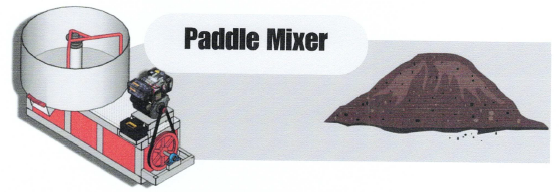
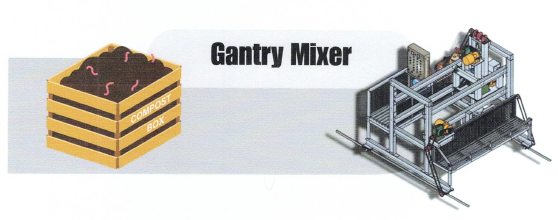
Gantry Mixer – Mixes biodegradable materials to produce compost or organic fertilizer.
Additional Notes on Machines:
• The machines are designed to be user-friendly and easy to operate, requiring minimal technical training.
• Their design may be considered more primitive compared to imported high-tech machines, but this makes them affordable, low-maintenance, and durable.
• All equipment is proudly Filipino-made, supporting local engineering and innovation.
• Machines do not require electrical supply, making them suitable for remote and rural areas with limited or fluctuating electricity.
• This technology is very important for funding support as it addresses today’s pressing issues such as flooding, since unmanaged waste materials clog waterways and worsen flood risks.
BI First Defense Phil. Ent. Inc.
Copyright © 2025.
Manila Office :
Victoria Tower B Timog Ave Cor. Panay Ave Diliman Quezon City
Provincial Office :
No 9 Pulungmasle Guagua Pampanga
Contact Details:
0917-624-1696 / bifirstdefense@gmai.com